 Skip to main content
“Gen Z” has become one of the most overused words in marketing decks. Every brand wants to win this generation, but very few teams actually understand what it takes to succeed at marketing to Gen Z. This is a cohort that expects more, questions everything, and disengages the moment something feels forced or inauthentic.
So instead of another surface-level take, here’s a breakdown of what it actually takes to build a brand this generation obsesses over, and the companies already proving it works.
Key takeaways
- Marketing to Gen Z works when your brand feels like culture, identity and participation, not just features or the best price.
- Build a world people want to step into, take a clear stance, and build with your audience rather than for them.
- Make your product shareable, use scarcity and inside jokes to build community, and design for the platform first.
The Shift in Marketing to Gen Z: From Products to Culture
Something fundamental has changed in how brands grow. Younger consumers aren’t just purchasing products anymore, they’re buying into brands that feel like culture, identity, and participation. The winners in this landscape aren’t necessarily the ones with the best features or the most competitive pricing. They’re the ones that create something people genuinely want to be part of.
That’s the difference between a brand that feels magnetic and one that’s constantly fighting for relevance. It isn’t about doing more marketing, it’s about building something that lives naturally inside culture rather than being pushed into it.
7 Ways to Build a Brand Gen Z Obsesses Over
Here’s what that looks like in practice.
1. Build a World, Not Just a Product
The strongest brands create a fully realised universe, one that’s instantly recognisable and that people want to step into. Think of fashion brands that carry a consistent aesthetic across every touchpoint: product design, retail environments, collaborations, and content all reinforcing the same identity. Customers aren’t just buying clothing or a product, they’re aligning themselves with a lifestyle and a visual point of view.

2. Have a Clear Villain
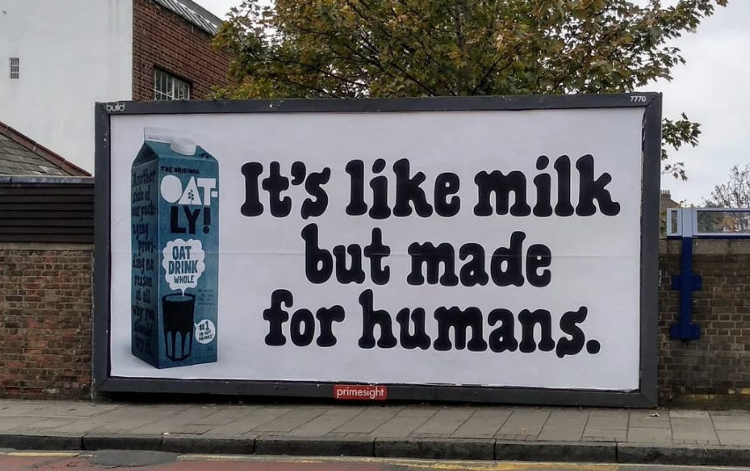
What a brand stands against matters as much as what it stands for. A clear point of tension makes a brand easier to understand and easier to talk about. Some of the most talked-about challenger brands in food and beverage have built their entire identity around confidently taking on an incumbent industry: bold packaging, direct messaging, a tone that’s unmistakably provocative. Conflict creates clarity, and clarity makes it easy for people to decide whether they’re with you.
Oatly has done this really well, positioning the dairy industry as the villain.
3. Build With Your Audience, Not For Them
This generation doesn’t want to be marketed to, they want to feel like participants. Brands that openly share their product development process, invite feedback on new launches, and let the audience shape what comes next turn customers into collaborators. When people feel like they helped build something, they’re far more invested in seeing it succeed.
Locally, no brand has done this better than Broekie. Take people on the journey and let them in on what you’re building.
4. Make the Product Shareable by Default
The best products don’t rely on advertising to get seen, they’re designed to show up naturally in people’s everyday lives and content. A product that’s visually distinct, meant to be used publicly rather than hidden, becomes a built-in distribution channel. Every customer effectively becomes a marketer.
5. Gamify the Experience
Scarcity and anticipation create an outsized emotional response. Limited drops that don’t restock turn a routine purchase into an event, like the limited-edition menu we supported with KFC x Nasty C. When something feels rare, people place a higher value on it, and the experience becomes just as important as the product itself.
6. Create Inside Jokes and Lore
The strongest communities share language and references. Brand elements that require discovery, like hidden menu items, insider terminology and easter eggs, create a deeper layer of engagement than surface-level marketing ever could. People like feeling in on something, and that sense of belonging is what keeps them coming back.
7. Design for the Platform First
The brands winning right now aren’t adapting old strategies to new platforms, they’re building for how attention actually works today. That means a visual identity that’s instantly distinct, content that feels native rather than repurposed, and smart creator partnerships that spark real conversation rather than one-off placements. It’s the thinking behind our influencer marketing work, where we prioritise culture-first creators over purely data-driven profiles.
The Bigger Picture: Belonging Drives Growth
Marketing to Gen Z isn’t about chasing trends. Building a brand this generation obsesses over is about understanding how culture actually works: creating something people want to identify with, participate in, and share.
The strongest brands today aren’t just products sitting on a shelf. They’re experiences, signals, and communities. And the ones that win are the ones people talk about, reference, and feel genuinely connected to.
Attention alone isn’t enough anymore. Belonging is what drives growth.
Need help marketing to Gen Z?
Punkystarfish is a Johannesburg digital marketing agency helping brands build a Gen Z audience through social media management, content and creative and influencer marketing. See how we’ve done it in our case studies, or get in touch to talk about your brand.